Buying your first home in Oregon, Wisconsin can feel exciting and a little intimidating at the same time. You may be wondering how much home you can afford, how fast you need to move, and what makes this market different from nearby Dane County communities. The good news is that with the right plan, you can make smart decisions with confidence. Let’s dive in.
Why Oregon, WI stands out
Oregon sits about 10 miles south of Madison in south-central Dane County, which makes it a practical option if you want access to the broader Madison area while focusing your search in a smaller community. The Village of Oregon had an estimated 2024 population of 11,895 and about 4,660 households in the 2019 to 2023 estimate.
For first-time buyers, one of the biggest takeaways is that Oregon is a strongly owner-occupied market. Census data shows a 72.9% owner-occupied rate, and the Village of Oregon’s 2025 Housing Affordability Report says about 73% of housing is owner-occupied.
That matters because it helps paint a picture of a market where many homes are lived in by their owners rather than held as rentals. It can also mean that available inventory feels tighter, especially when vacancy rates are low.
What the housing mix looks like
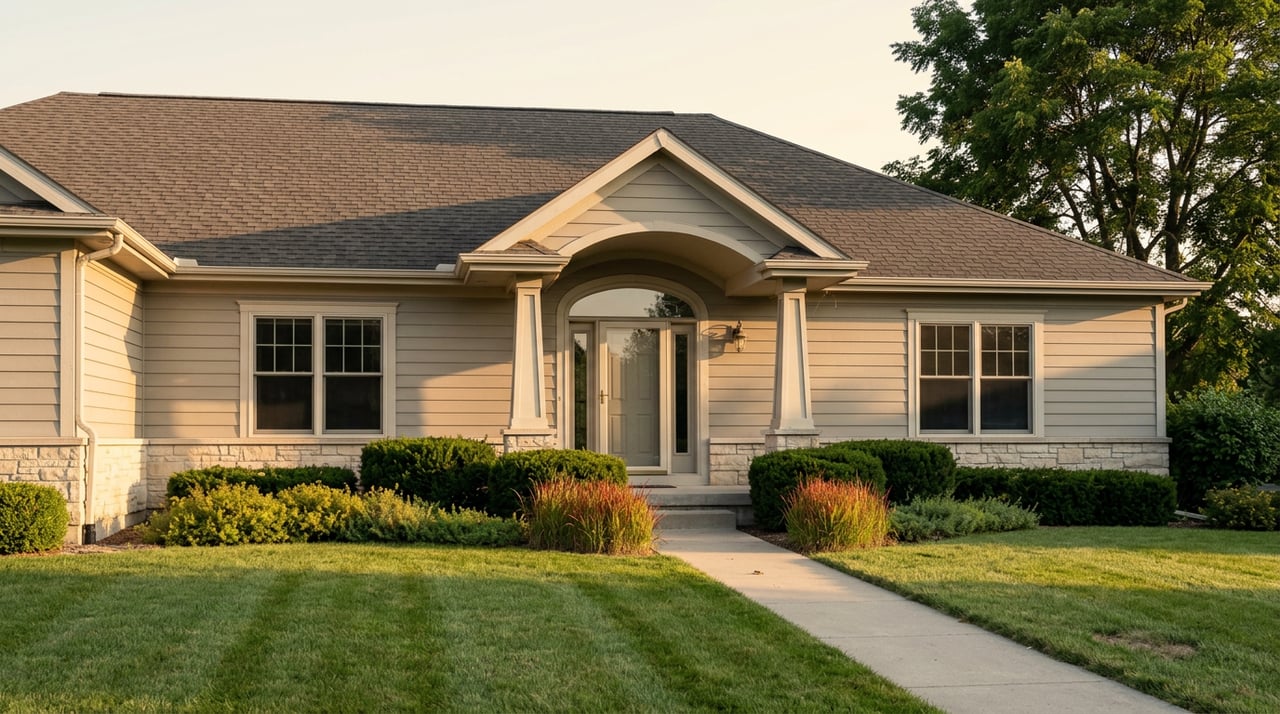
Oregon offers more than one type of first-home opportunity. According to the village report, 57.7% of housing units are single-family detached, 16.9% are single-family attached, and the community also has redevelopment corridors and vacant residential parcels that may create future infill or new-construction opportunities.
If you picture your first purchase as a traditional detached home, Oregon gives you that option. If you want something that may be smaller or lower maintenance, attached housing may be worth a closer look.
The same report identified 178 vacant or undeveloped residential parcels, plus redevelopment corridors in the downtown area, North Main Street, South Janesville Street, and Market Street. For buyers who want to keep an eye on future housing supply, that is useful context.
Expect a tight market
One reason first-time buyers need a plan in Oregon is that housing supply appears limited. The Village of Oregon’s 2025 Housing Affordability Report says the overall vacancy rate was 2.2% in 2024, with 2.0% vacancy among owner-occupied homes and 5.8% among rentals.
In plain terms, this points to a market where available homes may not sit for long. If a listing matches your budget and goals, being prepared before you start touring can make a real difference.
The village report also noted that in January 2026 there were about 55 homes and 7 vacant residential lots listed for sale. Average list prices were reported at $561,593 for homes and $182,086 for lots.
Budgeting for your first home
Your home budget is not just about the list price. It is about the full cost of buying and owning, including your down payment, closing costs, monthly payment, moving expenses, and reserves for repairs or maintenance.
A helpful local benchmark is Oregon’s 2024 median household income of $102,978. Using the common 30% housing-cost guideline, that works out to about $2,574 per month.
The village report also says 23% of Oregon households are housing cost burdened, meaning they spend more than 30% of income on housing. That is an important reminder that stretching too far can make homeownership feel stressful instead of stable.
Census QuickFacts lists median monthly owner costs with a mortgage at $2,109 and median gross rent at $1,229. If you are currently renting, those figures can help you compare what ownership might look like relative to your current monthly housing cost.
Cash you may need upfront
Many first-time buyers focus on the down payment and forget the other costs that come with closing. Consumer guidance in the research report says closing costs typically run about 2% to 5% of the home price, and many loans require at least 3% down, with some requiring 5% or more.
That means your cash-to-close may be higher than you first expected. You should also leave room for moving costs, initial repairs, and an emergency cushion of about 3 to 6 months of expenses.
Assistance options in Wisconsin
If saving for a home feels like the hardest part, you are not alone. The research report notes that WHEDA offers reduced-interest-rate options for eligible first-time buyers and two down-payment assistance products through approved lenders.
That does not mean every buyer will qualify, but it does mean there may be state-level help worth exploring early in the process. For many first-time buyers, understanding financing options can open more possibilities than they expected.
Oregon prices in context
When you research Oregon home prices, you may notice that different data sources show different numbers. That is normal, and it is important to understand what each figure represents.
Census QuickFacts lists Oregon’s median owner-occupied value at $361,200. The Village of Oregon’s 2025 report, however, lists a 2025 median owner-occupied value of $539,000 and a January 2026 average home list price of $561,593.
The gap does not necessarily mean one number is wrong. Census figures are broader estimates and are best used as directional comparisons, while the village snapshot reflects more current local conditions.
For you as a buyer, the practical lesson is simple: broad market medians can help you compare communities, but your actual search should be guided by current listings, your financing, and the specific property type you want.
How Oregon compares nearby
If you are deciding between Oregon and another Dane County community, comparison shopping can help you set realistic expectations. Based on Census median owner-occupied values, Oregon sits in a middle range among nearby communities.
Here is a quick directional look at the Census figures:
| Community | Median owner-occupied value | Owner-occupied rate |
|---|---|---|
| Oregon | $361,200 | 72.9% |
| McFarland | $390,100 | 72.7% |
| Cottage Grove | $449,700 | 69.9% |
| Verona | $420,400 | 67.4% |
| Stoughton | $293,500 | 66.7% |
| Sun Prairie | $365,700 | 60.8% |
| Fitchburg | $417,200 | 47.6% |
This suggests Oregon is priced above Stoughton by Census median value, below McFarland, Cottage Grove, Verona, and Fitchburg, and roughly similar to Sun Prairie while showing a higher owner-occupancy rate. If you want a smaller, highly owner-occupied market, Oregon may feel like a strong fit.
Understanding Wisconsin offer terms
Once you find the right home, the offer process can feel like a new language. In Wisconsin, the standard WB-11 residential offer includes several terms that first-time buyers should understand before they start writing offers.
The goal is not to memorize a form. It is to know what the major protections and deadlines mean for you.
Earnest money
Earnest money shows the seller that you are serious about the purchase. Under the standard Wisconsin form, earnest money is usually due within 5 days after acceptance if that section is left unchanged.
This money is held according to the terms of the contract and later applied as part of the transaction. For first-time buyers, the key point is that this is real money you need available early in the process.
Financing contingency
The financing commitment contingency protects you while your loan is being finalized. Once you deliver a written loan commitment, that contingency is considered satisfied.
After that point, the risk of non-funding shifts to you. This is one reason strong communication with your lender matters from day one.
Inspection contingency
The inspection contingency helps protect you from unexpected property issues. Under the WB-11 form, this contingency authorizes inspections, but not testing, and buyers generally need to deliver a written inspection report and a Notice of Defects by the deadline if they want to object.
The seller may also have a right to cure, depending on the terms of the offer. Radon testing is handled separately in the form, so that is another detail to review carefully if relevant to the property.
Appraisal contingency
The appraisal contingency is separate from financing. In simple terms, it helps protect you if the property does not appraise at the value expected under the contract.
For first-time buyers trying to avoid overpaying, this can be an important safeguard. It is one more example of why contract details matter just as much as price.
Real Estate Condition Report and title
For one-to-four dwelling-unit homes, sellers must provide a Real Estate Condition Report under the standard Wisconsin process described in the research report. The offer also addresses title evidence and merchantable title, with seller-provided title insurance and gap coverage typically expected.
You do not need to master every legal detail on your own, but you do want to understand what documents are part of the process and when they are due.
Smart first steps before you tour homes
In a market like Oregon, preparation can reduce stress and help you act faster when the right home appears. A few steps can make the process much smoother.
Build your buying plan
Start with the numbers you can comfortably live with, not just the highest number a lender may approve. Include your monthly payment target, cash for down payment and closing costs, moving expenses, and a maintenance cushion.
Compare home types
Think about whether you want a detached home, attached home, or possibly lot or land opportunities if that fits your timeline and goals. Oregon’s housing mix gives you more than one path to ownership.
Learn the contract basics early
Before you write an offer, get familiar with earnest money, financing timelines, inspection deadlines, and appraisal terms. That way, if a home feels right, you can make decisions without feeling rushed or confused.
Stay realistic and flexible
A low-vacancy market can require patience. You may need to refine your wish list, adjust your timing, or look closely at different property types to find the right fit.
Why guidance matters for first-time buyers
Buying your first home is about more than finding a property. It is about understanding the market, protecting your finances, and making a choice that supports your life now and your future goals.
That is where experienced, hands-on guidance can make a real difference. When you have someone detail-focused in your corner, the process becomes easier to understand and a lot less overwhelming.
If you are thinking about buying your first home in Oregon or anywhere nearby in Dane County, connecting with an experienced local advisor can help you move forward with more clarity and confidence. Reach out to Beth Baty to talk through your goals and next steps.
FAQs
What is the Oregon, WI housing market like for first-time buyers?
- Oregon appears to be a tight, owner-occupied market with low vacancy, a mix of detached and attached housing, and limited active inventory based on the village’s housing report.
How much money do first-time buyers need upfront in Oregon, WI?
- Your upfront costs may include a down payment, closing costs that often run about 2% to 5% of the home price, earnest money, moving expenses, and reserves for repairs and emergencies.
Are there first-time buyer assistance programs in Wisconsin?
- The research report notes that WHEDA offers reduced-interest-rate options for eligible first-time buyers and two down-payment assistance products through approved lenders.
How does Oregon, WI compare with nearby Dane County communities?
- Census figures suggest Oregon sits in a mid-price range compared with nearby communities, above Stoughton, below places like Verona and Cottage Grove, and roughly similar to Sun Prairie on median value while showing a higher owner-occupancy rate.
What should first-time buyers know about Wisconsin offers?
- Key Wisconsin offer terms include earnest money, financing and appraisal contingencies, inspection deadlines, title provisions, and the seller’s Real Estate Condition Report for one-to-four unit homes.