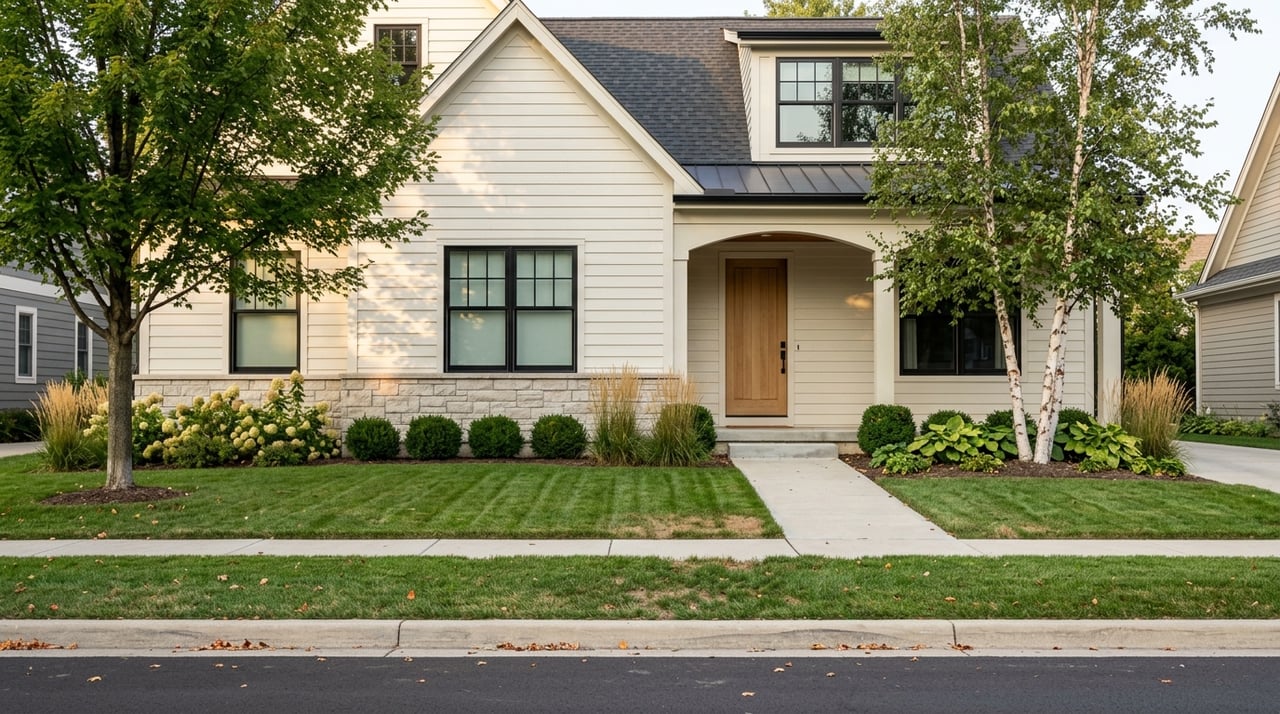
Looking for a place that feels connected, outdoorsy, and a little easier to settle into? Oregon, Wisconsin offers a small-town setting with everyday amenities, growing neighborhood options, and a park-and-trail network that shapes how people spend their time. If you are considering a move in Dane County, this guide will help you understand what makes Oregon appealing and how its lifestyle fits different stages of life. Let’s dive in.
Why Oregon Stands Out
Oregon is about 10 miles south of Madison, which gives you access to the larger metro area while keeping a more small-town pace in your day-to-day routine. The village was incorporated in 1883 and has an estimated 2025 population of 12,441, up from 11,179 in the 2020 Census. That growth suggests Oregon is evolving, but it still remains manageable in size.
What makes that important for buyers and sellers is balance. Oregon is not standing still, and village planning shows active investment in downtown, parks, bike and pedestrian connections, the library, and a new senior center and community gym project. In practical terms, you are looking at a community that supports daily life, not just a bedroom community outside Madison.
Parks Are Part of Daily Life
One of Oregon’s biggest lifestyle strengths is its park system. For a village of this size, the amenities are broad and spread across different types of spaces, from neighborhood parks to larger community recreation areas. That gives you more ways to use the village close to home, whether you want a playground, a walking path, sports courts, or open green space.
Village materials list amenities that include shelters, playgrounds, ball diamonds, pickleball courts, tennis courts, restrooms, walking paths, skate space, and a dog park. Named parks include Jaycee Community Park, Kiser Firemen's Park, Keller Alpine Meadows Park, Lerner Conservations Park, Highlands of Netherwood, Bergamont Park, Bethel Greenacre Park, High Meadows, Windcrest, and more. For many buyers, that kind of distribution matters because it can make everyday recreation feel easy rather than occasional.
Jaycee Community Park Highlights
Jaycee Community Park is one of the clearest examples of Oregon’s recreation investment. According to the village park plan, it includes new baseball diamonds, a concession stand, bathrooms, a shelter, playfields, six dedicated pickleball courts, playground equipment, paved walking paths, and off-street parking. That mix creates a park that supports both organized recreation and casual use.
For households thinking long term, parks like this can influence how a neighborhood feels from week to week. You may picture game days, evening walks, or simply having an easy place to get outside without driving far. Those everyday lifestyle benefits often matter just as much as square footage when you are choosing where to live.
West Side Park Adds Nature Space
Adjacent West Side Park brings a different outdoor experience. The village describes it as a 31.49-acre park with paved walking paths, wetland restoration, wildlife viewing, and stormwater management. That adds another layer to Oregon’s appeal by mixing active recreation with natural landscape features.
If you like a community that feels built out but still connected to open space, this is an important detail. It helps explain why Oregon can feel more relaxed than a denser suburb while still offering useful amenities nearby.
Trails Support Walking And Biking
If you value being able to move around on foot or by bike, Oregon has meaningful infrastructure in place. The standout feature is the Oregon Rotary Trail, a 3.5-mile paved trail that runs from Cusick Parkway to Fish Hatchery Road. For many residents, that is not just a recreation amenity. It is part of how they experience the community.
Village planning materials also note off-road bicycle and pedestrian facilities in parks such as Keller Alpine Meadows and Jaycee Community Park. Just as important, the village’s stated planning goal is to connect neighborhoods, schools, community facilities, and regional trails. That kind of long-range thinking can make a real difference in how livable a place feels over time.
A Good Fit For Active Routines
Trails tend to matter most when they become part of your routine. In Oregon, that could mean morning walks, bike rides after work, or easier access between neighborhood destinations. You do not have to be a serious cyclist to appreciate what paved trail connections add to daily life.
For buyers comparing communities around Madison, this is a meaningful quality-of-life factor. Trail systems often support the kind of steady, low-stress lifestyle people say they want when they move out of a busier setting.
Nature Access Feels Built In
Beyond parks and paved paths, Oregon also offers natural areas that broaden its outdoor appeal. Lerner Conservations Park is a 65.38-acre natural area with trails, an outdoor classroom, an information kiosk, and a wooden bridge, according to the Oregon Area Chamber of Commerce. The chamber also notes that local schools often use it for projects.
That tells you something important about the village. Oregon’s outdoor identity is not limited to sports fields and playgrounds. It also includes spaces that support walking, observation, and a stronger connection to the landscape.
Pet-Friendly Amenities Matter Too
For pet owners, the Jon Blanchard Dog Park is another useful amenity. Village information identifies it as a dedicated dog park with separate areas for small and large dogs. That is a practical detail, but it can also make a community easier to enjoy if your routines include a dog.
When buyers think about lifestyle, these smaller details often end up carrying more weight than expected. Access to a dog park, a paved trail, or a neighborhood green space can shape how comfortable and convenient daily life feels.
Downtown And Civic Amenities Add Stability
Small-town living works best when there is more to it than quiet streets. In Oregon, the village is also investing in its civic core. The Downtown Master Plan was adopted on February 17, 2025 after surveys, site visits, an open house, and feedback from residents and downtown business owners.
That matters because it shows intentional planning rather than passive growth. If you are looking for a place with a recognizable center and a long-term vision for public spaces, Oregon offers that kind of foundation.
Everyday Services Close To Home
Oregon’s practical amenities also support a full daily routine. The Oregon Public Library is located at 200 N Alpine Parkway, and village materials point to a new-library project and its sustainable features. The Oregon Area Senior Center offers outreach, case management, meals, rides to medical appointments, Medicare help, and durable medical equipment loans.
The village is also planning a new senior center and community gym, noting that the current building is past its useful life and that the 65+ population is projected to increase by 29% over the next 20 years. For buyers, that signals a community thinking about residents at different life stages, including aging in place.
Oregon’s Community Calendar
Oregon’s event culture is more civic and community-based than big-city and commercial. Village and chamber materials show events such as Outdoor Movie Nights at Jaycee Community Park, a Spring Business Expo, an annual golf outing, and a community parade in downtown Oregon. These events reflect a local calendar that is active without feeling overwhelming.
One important note is that Summer Fest should be treated as part of Oregon’s recent history, not a current ongoing annual tradition. The Oregon Area Chamber of Commerce announced in September 2025 that the long-running June festival was discontinued after the 2025 event. That makes it worth focusing on the broader community pattern rather than one former event.
Housing In Oregon Feels Varied
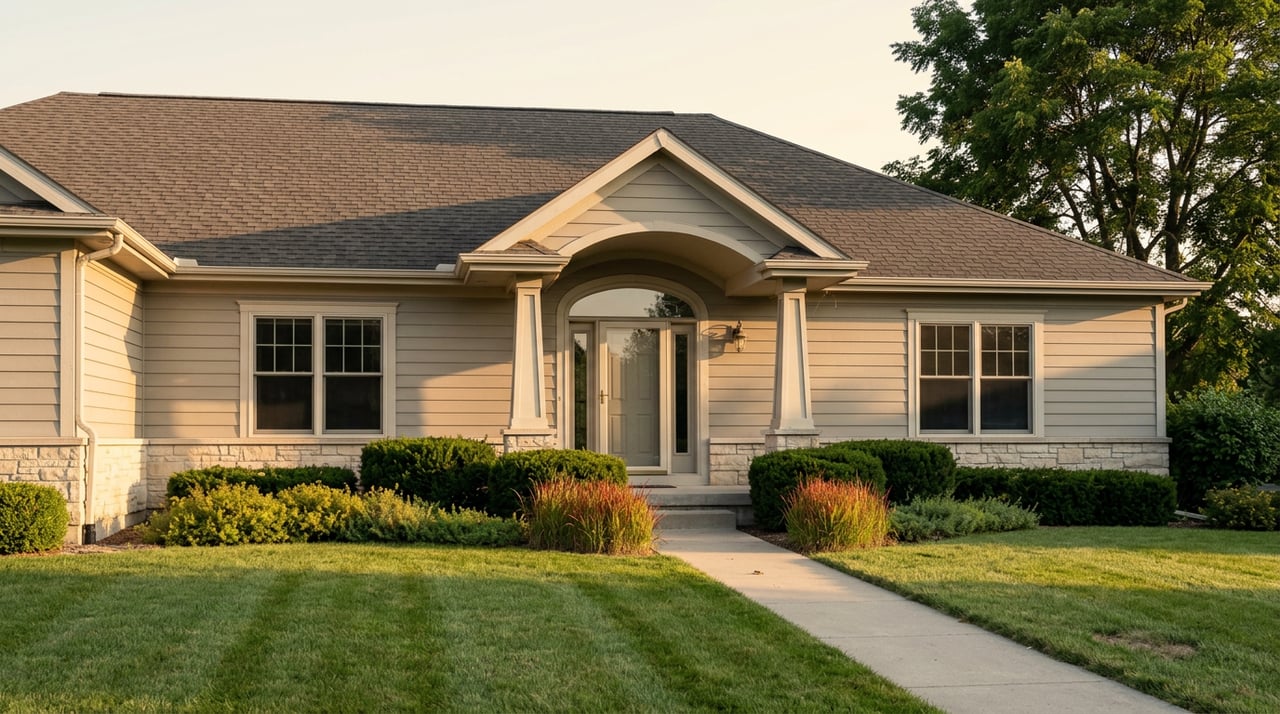
Oregon’s housing story is not limited to one type of buyer. Village planning documents reference single-family, two-family, multi-family, and mixed-use development, along with goals for greater housing variety and quality family housing. That points to a market with both established homes and newer development patterns.
The most accurate way to think about Oregon is as a community with older in-town streets and civic amenities around the core, plus newer subdivision-style growth on the edges. That can give buyers more than one path into the market, depending on the kind of home and setting they want.
Price And Inventory Context
Oregon’s January 2025 Housing Affordability Report found about 34 homes and 25 vacant residential lots listed on Zillow at that time. The report cited an average home price of $532,667, an average vacant lot price of $179,392, and a 2024 median home value of $429,136. It also found that 23% of households were cost-burdened and 6% spent more than half of their income on housing.
Those numbers are helpful because they add context to the lifestyle conversation. Oregon may appeal to buyers who want parks, trails, and a connected community feel, but it is still important to enter the market with a clear plan around budget, priorities, and tradeoffs.
Growth Is Still Happening
Village materials also show visible edge growth. In 2026, planning references included Greenview Preserve phases and a possible new residential neighborhood on about 66 acres north of the Highlands of Netherwood subdivision. Other village records identified a well site in the planned Highlands of Netherwood development, reinforcing that the west side remains a growth area.
For buyers, that can mean opportunities in newer neighborhoods. For sellers, it means understanding how your home fits into a market where both established areas and new development may compete for attention.
Who Oregon May Appeal To
Oregon can make sense for several types of buyers. If you want a village with practical amenities, parks, and easier access to outdoor recreation, it checks many of those boxes. If you want to stay connected to the Madison area without living in the middle of it, Oregon also offers that advantage.
It may be especially appealing if you are looking for:
- A small-town setting with room to grow
- Access to parks, trails, and natural areas
- A mix of established neighborhoods and newer development
- Civic amenities that support day-to-day life
- A community planning for long-term needs
For sellers, these same traits can help shape how you position a home. Lifestyle matters, and Oregon gives you real features to talk about in a grounded, factual way.
Why Local Guidance Matters
When a market offers both established homes and edge-of-town growth, it helps to work with someone who can guide you through the differences clearly. You may be comparing lot size, trail access, commute patterns, home age, future development nearby, or how a property fits your long-term plans. Those are not small details.
Beth Baty brings more than 30 years of property management and real estate experience to buyers and sellers across Dane County. That hands-on, detail-focused perspective can help you look beyond the surface and make a move that supports both your lifestyle and your long-term goals. If you are exploring Oregon, connecting with a local expert can make the process feel much more straightforward.
If you are thinking about buying or selling in Oregon, WI, Beth Baty can help you navigate the market with clear guidance, responsive communication, and a practical local perspective.
FAQs
What is Oregon, WI known for?
- Oregon, WI is known for its small-town setting, broad park system, the 3.5-mile Oregon Rotary Trail, natural areas like Lerner Conservations Park, and ongoing investment in downtown and civic amenities.
Are there good parks and trails in Oregon, WI?
- Yes. Oregon has a wide range of parks and recreation spaces, including Jaycee Community Park, West Side Park, Keller Alpine Meadows Park, Lerner Conservations Park, and the paved Oregon Rotary Trail.
Is Oregon, WI close to Madison?
- Yes. Oregon is located about 10 miles south of Madison, which makes it a practical option for people who want access to the Madison area while living in a smaller community.
What kinds of homes are available in Oregon, WI?
- Village planning documents reference single-family, two-family, multi-family, and mixed-use development, which suggests a mix of traditional in-town housing and newer neighborhood growth.
Is Oregon, WI still growing?
- Yes. The village’s 2025 population estimate was 12,441, up from 11,179 in the 2020 Census, and village materials also reference ongoing residential growth areas and community planning projects.
What is the housing market like in Oregon, WI?
- Oregon’s January 2025 Housing Affordability Report cited an average home price of $532,667, a 2024 median home value of $429,136, and active listings that included both homes and vacant residential lots.